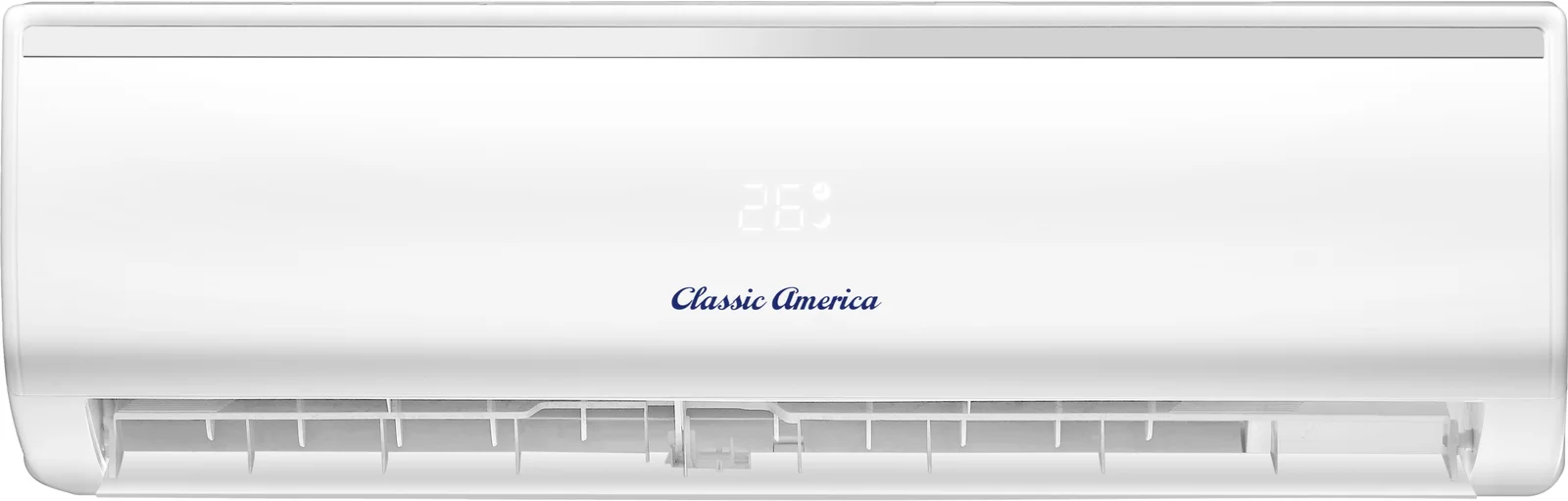
Mini Split Installation Cost: What a Ductless Install Includes
Classic AmericaOct 7th 202612 min read
The short answer
- Mini split installation cost comes in two parts: the equipment you buy, and the labor plus site materials a technician charges to get it on your wall.
- These are commonly published US ranges, not Classic America prices: a straightforward single zone often lands around $2,500 to $6,500 all-in. A trickier site often lands around $4,000 to $8,500. A dual-zone job is often published around $5,500 to $12,000 or more.
- Our 9,000 BTU system and both 12,000 BTU systems are 115V (what most shoppers call 110V). The 23,000 BTU system is 208/230V, and so is DUET, which has two indoor heads.
- You can plan the wall, the outdoor spot, and the line-set path yourself. Refrigerant connections, the vacuum, and the dedicated circuit are jobs for a licensed HVAC pro and a licensed electrician.
- You're covered for 5 years on the compressor and 1 year on parts. Just register within 60 days. Keep in mind that a non-professional install can put that warranty at risk.
The numbers
| Job | What usually moves the number | Published range |
|---|---|---|
| Straightforward single zone | Exterior wall, short line set, dedicated circuit already there | About $2,500 to $6,500 all-in. Labor and site materials often $1,000 to $2,500. |
| Harder single zone | New circuit, attic or finished wall, brick or concrete, second story, or a condensate pump | About $4,000 to $8,500 all-in |
| Dual zone | Two indoor heads, two line sets, and on DUET a 208/230V circuit | About $5,500 to $12,000 or more all-in |
| New dedicated circuit alone | Breaker, wire, and outdoor disconnect. Not a panel replacement. | Often a few hundred dollars to about $1,500 |
What mini split installation cost includes
Search for mini split installation cost, ductless mini split installation cost, or how much it costs to install a mini split, and most pages give you one national number. That number is rarely the quote you'll actually sign. A ductless job really has two bills: Classic America sells you the system, and a local licensed installer prices the wall, the wiring, and the refrigerant work.
The equipment is the heat pump itself: the indoor unit, the outdoor unit, and the installation kit that ships with them. Classic America ductless systems ship all of that together, so you won't be waiting on a second box for the line set. Your equipment cost is simply the list price on the product page the day you order. It doesn't include a technician, a permit, or a new circuit. Curious what's on the pallet? Our delivery and installation guide walks you through it.
Labor is everything that happens after the pallet shows up: mounting the indoor plate, drilling a sloped hole, setting the outdoor unit, routing the line set, making the refrigerant connections, pressure testing, pulling a vacuum, and commissioning the system. The condensate needs somewhere to drain, and power has to land on a dedicated circuit, with a disconnect where code calls for one. If a contractor gives you one blended number, it's worth asking what's inside it before you compare it with another bid.
- Extra line set, insulation, and fittings if your run is longer than the kit in the box
- A wall bracket, stand, or pad if the outdoor unit isn't going on a simple ground pad
- A condensate pump if the drain can't run downhill
- A new dedicated circuit, breaker, and outdoor disconnect, plus any panel work
- Permit fees and inspection time
- Drywall, stucco, or masonry repair around the wall opening
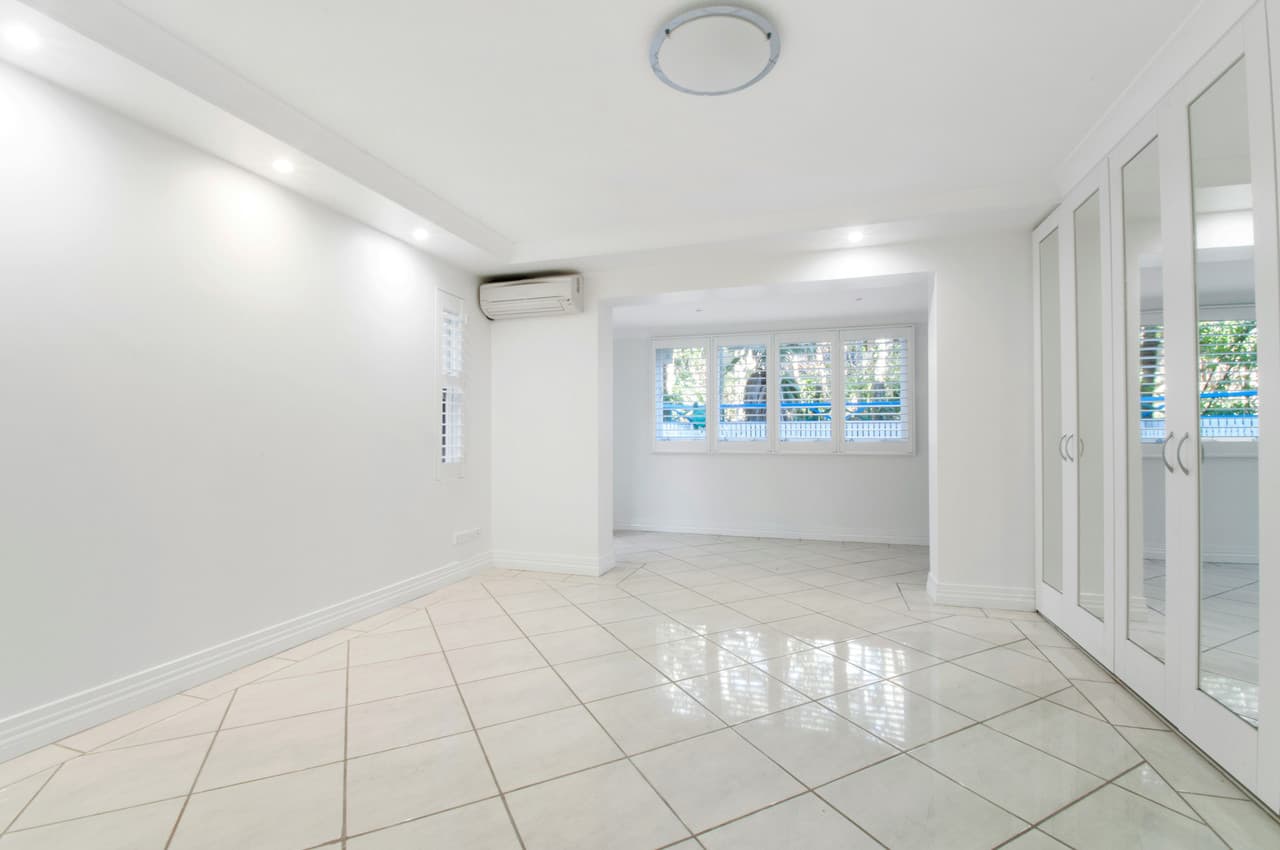
How much does it cost to install a mini split?
A quick note: these aren't Classic America prices
- The bands below are commonly published US ranges for a licensed contractor working on an attached house. Think of them as a map of what other guides quote, not a bid for your ZIP code.
- Classic America doesn't publish an installed price. The dollar figure on a product card is the equipment list price for that system. It doesn't cover labor, a permit, or a new circuit.
- A panel replacement, a trench out to a detached building, or a long drive for the installer can land outside every band and still be a perfectly honest quote.
Read the all-in column as equipment plus labor plus ordinary site materials. The equipment is whatever the product page lists that day. The labor is the part no national page can pin down for you. In a high-cost metro, you may land above the band. A short exterior-wall job with the circuit already in place can land at the bottom of it. And if a bid comes in far under the dual-zone band, it's often leaving out the electrical, the vacuum, or line set beyond the piece in the box.
For help with placement and choosing an installer, take a look at What to Know Before Installing a Mini Split. If a contractor quoted you in tons, our BTU to tons guide translates it. Start by matching the room with the Size Finder, which adjusts for sun, ceiling height, insulation, and climate. Then lock in the model so every bidder prices the same equipment.
A straightforward single zone
Our 9,000 BTU hub system is 23 SEER2 and 115V, with 9,000 BTU/h of cooling, and it's published for up to about 450 square feet. Over on the 12,000 BTU hub, the 19 SEER2 model is 115V, rated for 12,000 BTU/h of cooling, and published for up to about 550 square feet. The 17 SEER2 model in that same class publishes 11,500 BTU of cooling and coverage up to about 550 square feet. Both 12,000 BTU systems are 115V. The card below shows the 19 SEER2 model, the one rated for a full 12,000 BTU/h. The price on the card is the equipment list price.

From the spec sheet
- 9,000 BTU/h cooling · 0.75 ton
- 23 SEER2
- 115V
- Up to 450 sq ft
- Heating nameplate 9,500 BTU/h

From the spec sheet
- 12,000 BTU/h cooling · 1 ton
- 19 SEER2
- 115V
- Up to 550 sq ft
- Heating nameplate 12,200 BTU/h
When one zone gets harder, and when the job is two zones
A new circuit, a line set run through an attic or a finished wall, brick or concrete, a second-story lift, or a condensate pump: these are the usual reasons a phone estimate and an on-site quote end up far apart. Our 23,000 BTU / 2 ton hub system is a bigger job and a different electrical job too: it runs on 208/230V, with published coverage up to 1,400 square feet. That model is rated 17 SEER2.
DUET pairs one outdoor unit, rated for 18,000 BTU of cooling and 20,000 BTU of heating, with two 9,000 BTU indoor heads. Its non-ducted ENERGY STAR rating is 24 SEER2, on 208/230V. It isn't a single head for one 1.5-ton room. We don't publish one square-footage number for the pair, because two rooms rarely have the same load. What you're paying for is two indoor installations and two line sets, not two outdoor units. You can read all about it on the dual-zone hub. The prices on these cards are equipment list prices, not installed prices.
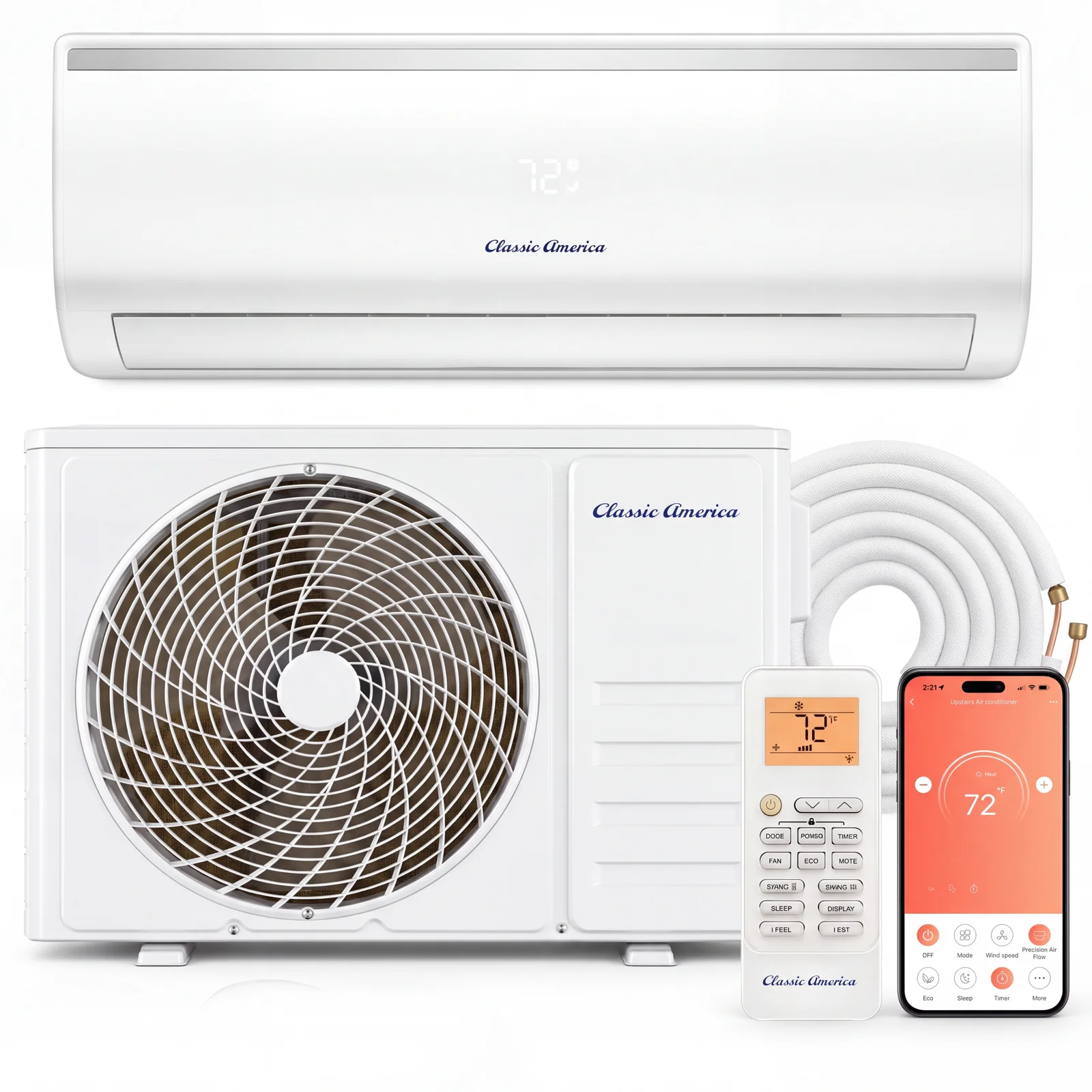
From the spec sheet
- 23,000 BTU/h cooling · 1.92 tons
- 17 SEER2
- 208/230V
- Up to 1,400 sq ft
- Heating nameplate 22,400 BTU/h
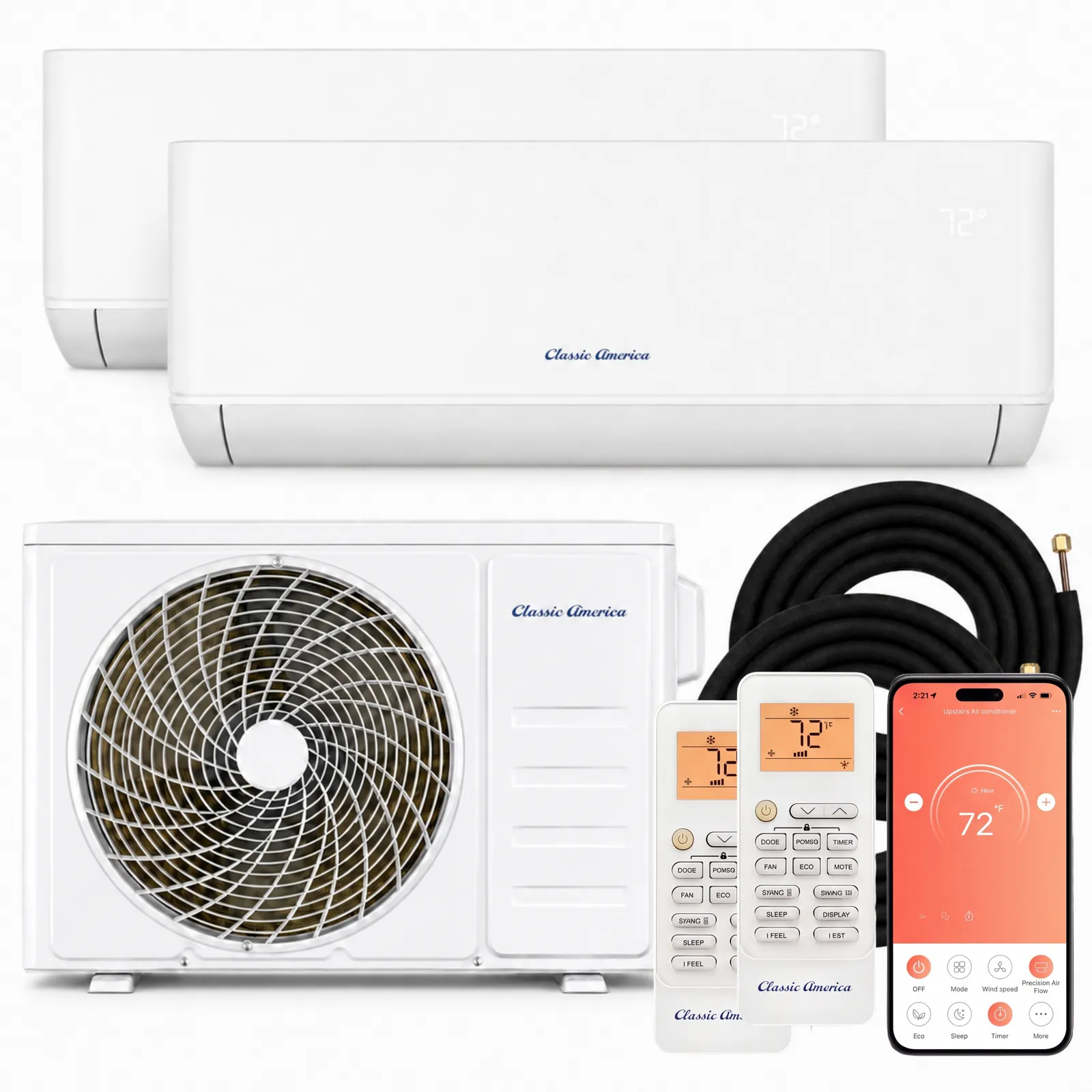
From the spec sheet
- 18,000 BTU/h cooling · 1.5 tons
- 24 SEER2, non-ducted ENERGY STAR
- 208/230V
- Two 9,000 BTU indoor heads on one outdoor unit
- Heating nameplate 20,000 BTU/h
What drives a ductless mini split installation cost
Five site details explain most of the gap between those published bands. Our Install Planner checks three of them against the model you pick: line-set length, power, and how the outdoor unit is mounted. Hand that checklist to every bidder so they're all pricing the same job.
Line-set length and the path it takes
Most Classic America single-zone systems come precharged for 25 feet. The maximum run is 50 feet on the 9,000 BTU and 19 SEER2 12,000 BTU systems, 49 feet on the 17 SEER2 12,000 BTU model, and 65 feet on the 23,000 BTU system. The 19 SEER2 12,000 BTU kit includes 16 feet of line set. The 23,000 BTU spec sheet doesn't list an included line-set length. DUET is precharged for 49 feet and allows up to 131 feet, and each head gets its own run. It's a good idea to confirm those limits in the Install Planner before anyone orders extra copper.
Within the precharge length, no refrigerant needs to be added. Between the precharge length and the maximum, a licensed technician adds refrigerant following the manual. Past the maximum, the layout needs to change. A straight hole through an exterior wall is the budget-friendly path. Routing through an attic or crawl space takes more copper, and often a condensate pump when the drain can't run downhill.
Wall type, height, and outdoor mounting
Those published ranges assume a wood-frame exterior wall and a pad on the ground. Brick, stucco, or block takes longer to open up and patch. A second-story head adds a lift and a longer line. A wall bracket or rooftop setup adds labor on top of the hardware. Our BRA-2002 wall bracket is a small accessory; leveling a heavy outdoor unit with the right coil clearance is what shows up on the quote.
115V versus 230V electrical work
This is for planning, not a wiring guide. Our 9,000 BTU system and both 12,000 BTU systems run on 115V, and each still needs its own dedicated circuit. The 23,000 BTU system needs 208/230V, and so does DUET. Please don't install the circuit, the breaker, or the outdoor disconnect yourself. That's a job for a licensed electrician, working together with the HVAC technician who commissions the system. If staying on household voltage matters to you, the 110V mini split hub brings all the 115V models together.
When your panel has room and the run is short, a new dedicated circuit is often quoted anywhere from a few hundred dollars to around $1,500. That's a commonly published band, not a Classic America electrical price. A panel or service upgrade is its own project and can cost a lot more, so get a price from an electrician before you compare HVAC bids.
Single zone versus dual zone
One indoor head cools the space its air can reach, so two closed-off rooms usually want two heads. DUET gives you one outdoor unit and two 9,000 BTU heads, each with its own line set. That means paying for two mounts, two drains, and two line sets to test, but only one outdoor unit and one electrical hookup. Sometimes two 115V single-zone systems let you skip a 208/230V run. Either way, size each room first. The dual-zone hub is the place to read up on the two-head system.
Permits, access, and finish repairs
Permit fees vary by area. Tight side yards, finished interiors, and local rules about where the outdoor unit can sit all add time, even when the refrigerant work is routine. Ask whether patching is included in the HVAC quote or left to you. A bid that stops at the flare and leaves the drywall and the permit to you isn't the same job as one that includes them.
The line set, the wall, and the circuit are the quote. The free Install Planner checks those three against the model you pick, so every bidder prices the same job. Then browse mini splits, or call 1-800-349-4360 Ext. 204 for a product question, not a labor price.
Where DIY savings hold up, and where they do not
Handy homeowners often pick the locations, mount the wall plate, drill the sloped hole, route the line set, and set the outdoor unit themselves. If you find an installer willing to commission a system you've already hung, that prep can come off the labor line. The savings only hold up if a licensed technician still handles the steps that protect the compressor.
Leave the refrigerant and the circuit to a licensed pro
- Planning the mounting wall, the outdoor location, and the line-set path is great homeowner work.
- Refrigerant connections, the nitrogen pressure test, the vacuum, opening the service valves, and commissioning are jobs for a licensed HVAC technician.
- The dedicated circuit, breaker, and outdoor disconnect are jobs for a licensed electrician.
- A leaky flare, a skipped vacuum, or the wrong circuit can ruin a compressor, and that repair often costs more than the labor you saved.
Your warranty, with a professional install
- You're covered for 5 years on the compressor and 1 year on all other parts, from the date of purchase.
- Register within 60 days using the warranty form. That's also how you request your bonus remote.
- We strongly recommend a licensed HVAC contractor. It's rare, but the warranty may not be honored if the unit wasn't professionally installed.
The Install Planner gives you a model-specific DIY-versus-pro read based on line-set length, wall type, mounting, and whether the circuit already exists. It's a tool for scoping the job, not a green light to handle refrigerant or electrical work on your own. You'll find every model's manual on the manuals page, and our installation and care guides keep the same line between DIY and pro work, all in one place.
How to get an accurate install quote
Settle the scope first, then ask two or three licensed contractors to price that exact scope. A phone ballpark with no line-set length and no voltage is just a guess, and you can't compare guesses.
- Size the room with the Size Finder before you settle on a capacity.
- Pick your model on its product page, so the equipment is a list price you can keep separate from labor.
- Run the Install Planner: line-set length in feet, wall type, pad or bracket, and whether the circuit already exists.
- Ask each bidder to price the flares, pressure test, vacuum, commissioning, condensate, pad or bracket, permit, and patching.
- Keep the electrical on its own line. For a 230V or 208/230V job, the bid should say who pulls that permit.
- Only compare bids when the exclusions match. A low number that skips the vacuum or the circuit isn't really lower.
For licensing and what a careful commissioning visit looks like, check the planning guide linked above. Have a question about a product or what's in the kit (not a labor quote)? Give Classic America a call at 1-800-349-4360 Ext. 204, Monday through Friday, 10 AM to 3 PM ET. We're happy to help.
Price the equipment, then price the wall
Fit the room first, then get labor priced on a written scope. Compare the 9,000 BTU mini split, the 19 SEER2 12,000 BTU mini split, the 17 SEER2 12,000 BTU mini split, and the 23,000 BTU mini split, or go with DUET when two rooms each fit a 9,000 BTU head. Once you've settled on the capacity, browse our mini splits. For a single small room, a window AC might be the better fit. Then bring your Install Planner scope to a licensed HVAC contractor.
FAQ
Common questions
How much does it cost to install a mini split?
These are commonly published US ranges, not a Classic America price: a straightforward single zone often lands around $2,500 to $6,500 all-in, a trickier site around $4,000 to $8,500, and a dual-zone job around $5,500 to $12,000 or more. The equipment is the list price on the product page. Labor depends on the line set, the wall, and whether a dedicated circuit already exists. Try the Install Planner, then get quotes from local licensed installers.
What is included in mini split installation cost?
A helpful quote separates the equipment (indoor unit, outdoor unit, and the kit in the box) from the labor and site materials (mounting, line set, flares, pressure test, vacuum, commissioning, condensate, pad or bracket, permit, and patching). Electrical is often its own line. Classic America sells you the equipment, and a local installer prices the rest.
Is the price on the product page the installed price?
No. The product-page price, like the prices on the cards in this article, is the equipment list price. It doesn't include a technician, a permit, or a new circuit. Those get added on site as part of the ductless install cost.
Why does a dual-zone quote cost more than one head?
Two indoor heads mean two wall openings, two line sets, and two drains. DUET pairs one 18,000 BTU outdoor unit with two 9,000 BTU heads, rated 24 SEER2 (non-ducted ENERGY STAR), on 208/230V. You're paying for two indoor installations, not two outdoor units.
Can I install a mini split myself to save the labor?
You can plan the mounting wall, the outdoor location, and the line-set path. Refrigerant connections, pulling a vacuum, and the dedicated electrical circuit are jobs for a licensed HVAC professional and a licensed electrician. Skipping those steps can cost more than the labor you'd save, and the warranty may not be honored if the unit wasn't professionally installed.
What warranty comes with the system?
You get 5 years on the compressor and 1 year on all other parts, from the date of purchase. Register within 60 days using the warranty form. We strongly recommend installation by a licensed HVAC contractor.