Understanding SEER2: A New Horizon In Energy Efficiency Ratings
James S. · Jun 27th 2023
As our world becomes increasingly aware of the importance of energy conservation, the quest for more energy-efficient appliances keeps growing. One term you'll often encounter is "SEER", short for…

As our world becomes increasingly aware of the importance of energy conservation, the quest for more energy-efficient appliances keeps growing. One term you'll often encounter is "SEER", short for Seasonal Energy Efficiency Ratio. Since 2023, air conditioners and heat pumps in the U.S. are rated with an updated version called SEER2, which gives a more realistic picture of how efficient a system is once it's installed. This article explains what SEER2 is, how it differs from SEER, and why it matters when you shop.
A Brief Overview of SEER
To grasp SEER2, it helps to understand its predecessor. SEER is the standard measure of the cooling efficiency of air conditioners and heat pumps, defined by the U.S. Department of Energy's test procedure and certified by AHRI (the Air-Conditioning, Heating, and Refrigeration Institute). It is the cooling output over a typical cooling season divided by the electric energy used during that season. The higher the SEER rating, the more energy-efficient the system.
SEER was a big step forward, but it had a known weakness: the lab test assumed the equipment pushed air against very little resistance. In a real home, ductwork, filters and grilles create much more resistance, so systems used more energy than their SEER suggested. SEER2 was introduced to close that gap.
Introduction to SEER2
SEER2 comes from the Department of Energy's updated test procedure (known as Appendix M1), which has been required for new ratings since January 1, 2023. It measures the same thing as SEER, cooling delivered per unit of electricity over a season, but under test conditions closer to a real installation.
The biggest change is external static pressure, the resistance the blower has to push air against. The old SEER test used 0.1 inches of water column; the SEER2 test raises it to as much as 0.5 inches for ducted systems, which is much closer to what typical ductwork imposes. The change matters most for ducted central systems; for ductless mini splits, which have no ductwork, the two ratings sit closer together.
Reading the numbers
Because the SEER2 test is tougher, the same unit scores a little lower in SEER2 than it did in SEER. So a SEER2 rating is at least as good as the same SEER number: a 23 SEER2 mini split is at least as efficient as a 23 SEER one.
Why SEER2 Matters
Because SEER2 is closer to real-world performance, it pushes manufacturers to design systems that stay efficient once they're installed, not just in the lab.
It helps consumers too. When you compare two systems by SEER2, you're comparing numbers measured under realistic conditions, so the one with the higher rating should really cost less to run in your home.
Regulators use it as well: since 2023, the federal minimum efficiency standards for new air conditioners and heat pumps are written in SEER2, so the rating now sets the floor for everything sold in the U.S.
Comparing SEER and SEER2 When You Shop
Older listings and spec sheets may still quote SEER, while newer ones use SEER2. Don't compare one against the other directly: because SEER2 is measured under tougher conditions, a SEER figure will look a little higher for the same equipment. Compare SEER2 with SEER2 wherever you can.
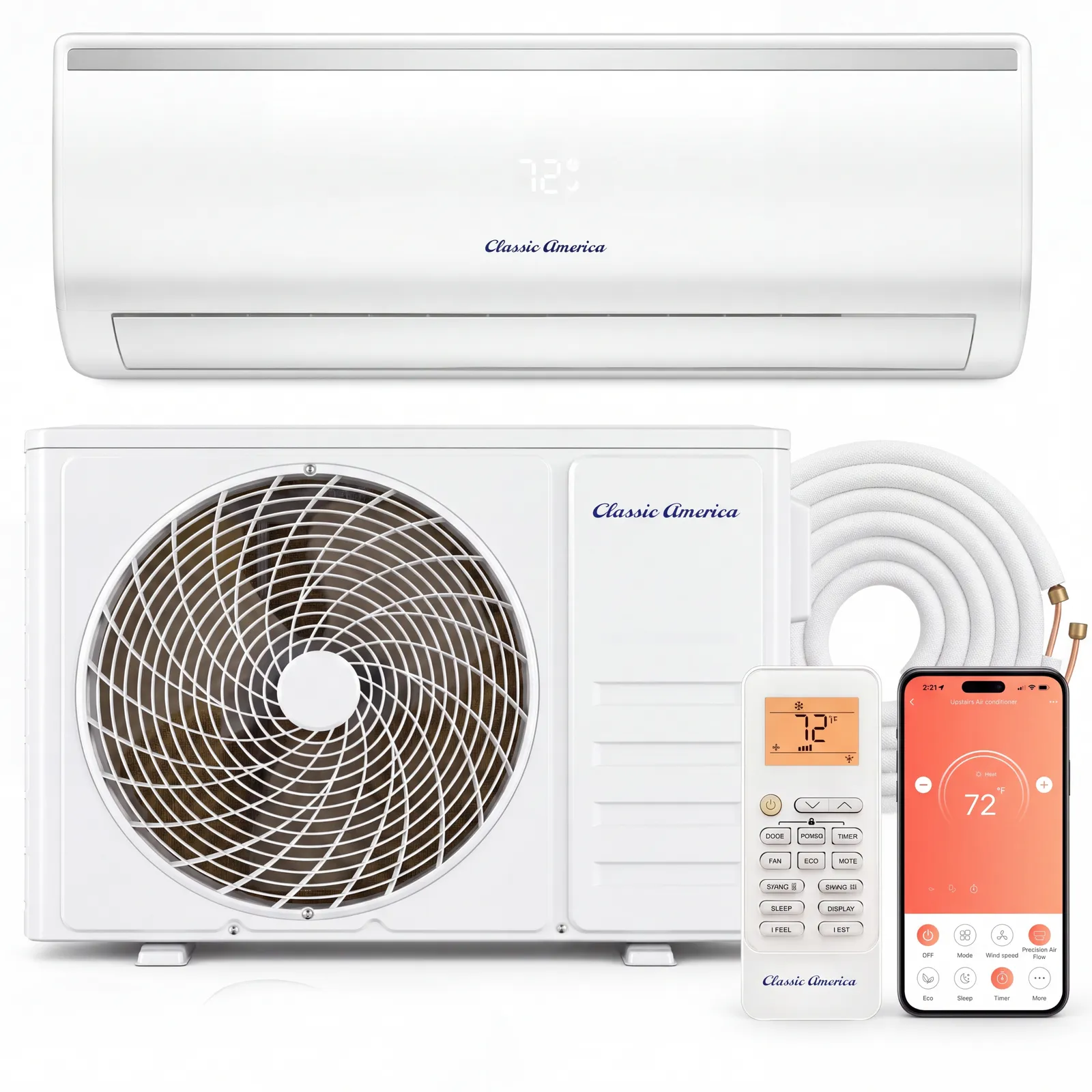
From the spec sheet
- 9,000 BTU/h cooling · 0.75 ton
- 23 SEER2
- 115V
- Up to 400 sq ft
- Heating nameplate 9,500 BTU/h
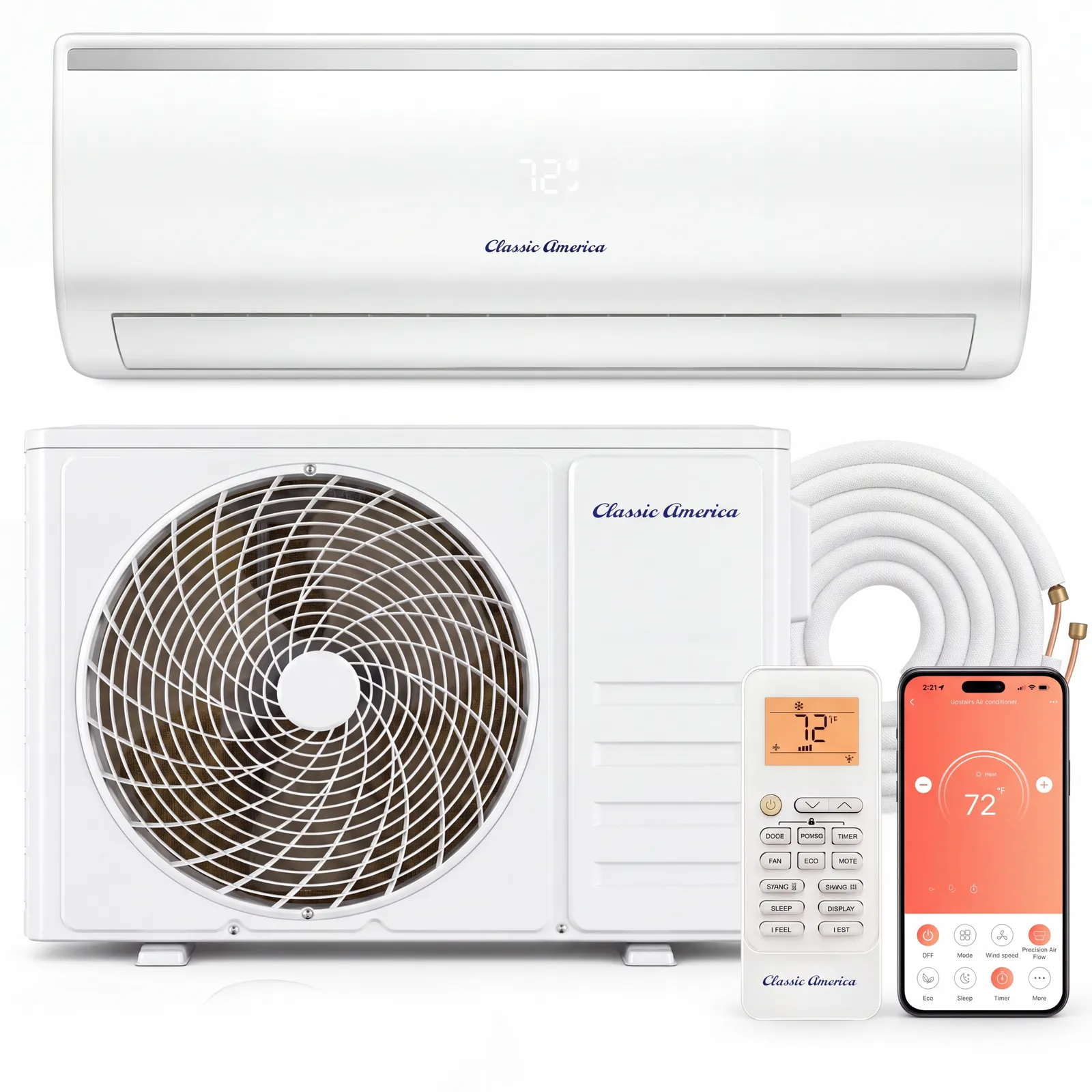
From the spec sheet
- 12,000 BTU/h cooling · 1 ton
- 19 SEER2
- 115V
- Up to 550 sq ft
- Heating nameplate 12,200 BTU/h
SEER2: The Future of Energy Efficiency Ratings?
With the growing need to save energy, SEER2 is a promising step. By giving a more realistic measure of efficiency, it guides manufacturers, consumers and policymakers toward better decisions about energy use.
In short, SEER2 is not just an upgrade to an existing rating; it reflects a better understanding of how equipment performs in real homes. Understanding it is a simple, significant step toward choosing a system that saves energy and money.