Why High-SEER Mini Split Heat Pumps Outshine Gas Heat
David GMar 8th 20247 min read

“High-SEER mini split heat pumps move heat with electricity instead of burning fuel in the house.”
From this article
Key takeaways
- The post compares high-SEER mini-split heat pumps with gas heat on emissions, not only on comfort.
- It treats the heating system’s fuel and efficiency as the source of that difference.
- The argument is for a heat pump that heats and cools, rather than a gas furnace plus separate cooling.
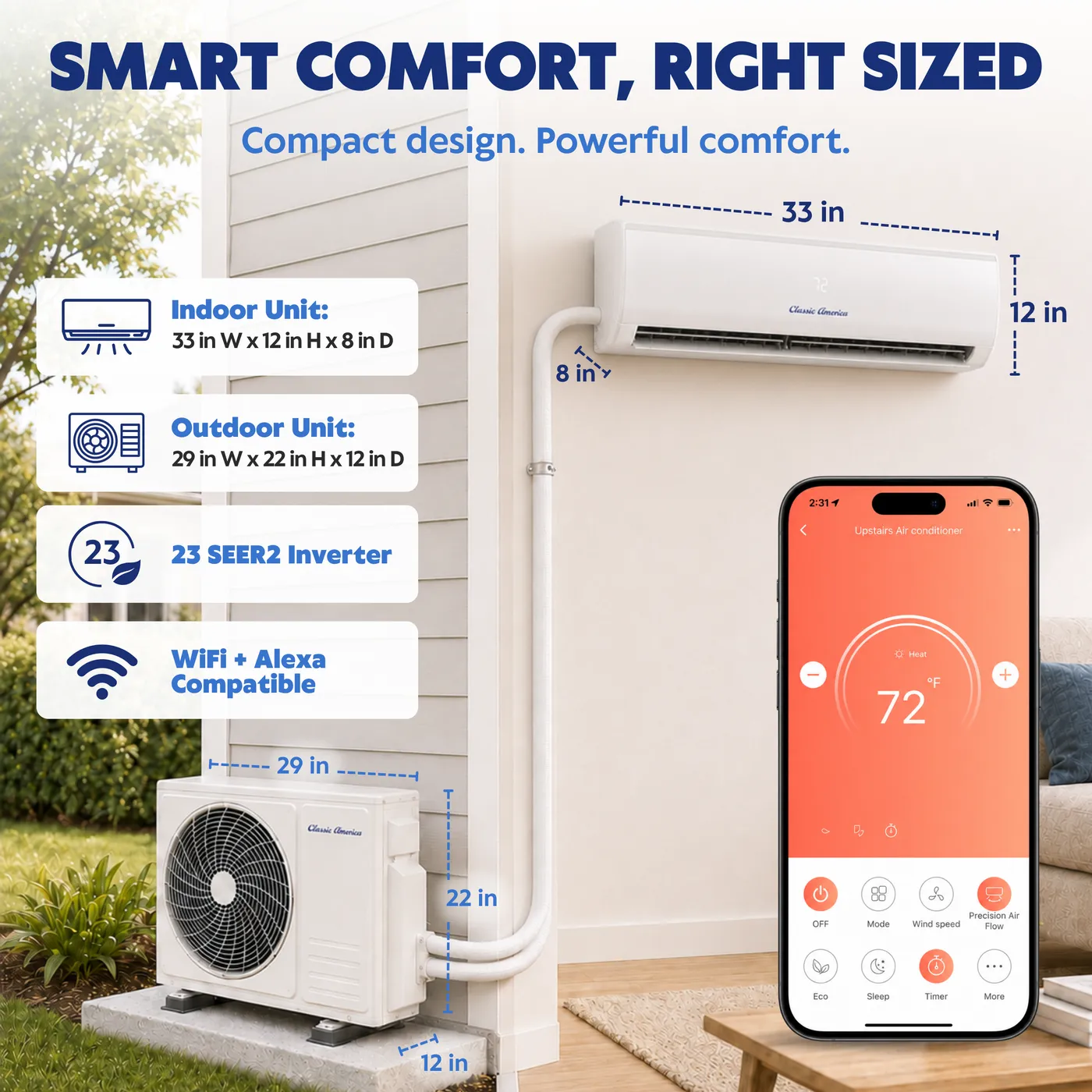
High-SEER mini split heat pumps move heat with electricity instead of burning fuel in the house. This post cites a Department of Energy comparison: moving from SEER 10 to SEER 18 can mean up to 40% energy savings. The carbon result still depends on how your electricity is generated. Compare the mini split lineup, including the 23 SEER2 model.
How do heating systems affect the climate in this post?
Heating systems play a crucial role in maintaining comfortable indoor temperatures, but their environmental impact can vary significantly depending on the type of fuel used and the efficiency of the system. Gas heating systems, which rely on the combustion of natural gas or propane, contribute to greenhouse gas emissions and air pollution. The burning of these fossil fuels releases carbon dioxide (CO2), methane, and other harmful pollutants into the atmosphere, exacerbating the effects of climate change and compromising air quality.
In contrast, high-SEER mini-split heat pumps offer a more environmentally friendly solution by leveraging electricity and advanced heat pump technology to provide both heating and cooling. While the environmental impact of these systems depends on the source of the electricity used, they generally have a significantly lower carbon footprint compared to gas heating systems, particularly when powered by renewable energy sources or a cleaner energy grid.
What environmental benefits does the post claim?
How does SEER relate to emissions here?
One of the most significant advantages of high-SEER mini-split heat pumps is their exceptional energy efficiency. The SEER rating, which measures the cooling efficiency of an air conditioning system, is a crucial indicator of a system's overall energy performance. Higher SEER ratings translate to lower energy consumption and, consequently, reduced greenhouse gas emissions associated with electricity generation.
According to the U.S. Department of Energy, upgrading from a SEER 10 system to a SEER 18 system can result in up to 40% energy savings. This substantial reduction in energy consumption directly translates into a smaller carbon footprint, making high-SEER mini-split heat pumps a valuable tool in the fight against climate change.
Why does heating and cooling in one unit matter?
Unlike traditional gas heating systems, which are designed primarily for heating, mini-split heat pumps offer both heating and cooling capabilities in a single, integrated system. This versatility eliminates the need for separate heating and cooling systems, further reducing the overall environmental impact associated with manufacturing, installation, and maintenance.
During the heating season, mini-split heat pumps operate by extracting heat from the outdoor air and transferring it indoors, even in relatively cold temperatures. This process is significantly more efficient than the combustion-based heating used in gas systems, resulting in lower energy consumption and reduced greenhouse gas emissions.
Reduced Air Pollution and Improved Indoor Air Quality The combustion of natural gas or propane in gas heating systems releases various air pollutants, including nitrogen oxides (NOx), carbon monoxide (CO), and particulate matter (PM). These pollutants can contribute to smog formation, respiratory issues, and other health problems, particularly in densely populated urban areas.
In contrast, high-SEER mini-split heat pumps do not involve any combustion processes, eliminating the direct release of these harmful pollutants into the indoor and outdoor environments. This not only reduces air pollution but also improves indoor air quality, creating a healthier living or working space for occupants.
How does the post connect heat pumps to cleaner electricity?
As the global transition towards renewable energy sources accelerates, the environmental benefits of high-SEER mini-split heat pumps become even more pronounced. These systems can be powered by renewable sources such as solar, wind, or hydroelectric
power, further reducing their carbon footprint and contributing to a more sustainable energy future.
By integrating mini-split heat pumps with renewable energy systems, such as rooftop solar panels or community-scale renewable energy projects, homeowners and businesses can significantly reduce their reliance on fossil fuels and minimize their environmental impact.
What does the post say about water?
Gas heating systems often require water for various purposes, such as humidification or condensate drainage. This water consumption can strain local water resources, particularly in regions with water scarcity or drought conditions.
In contrast, high-SEER mini-split heat pumps have minimal water requirements, as they do not rely on water-based systems for heating or cooling. This reduced water consumption not only conserves valuable water resources but also minimizes the energy and environmental impacts associated with water treatment and distribution.
What does the post say about materials and size?
Mini-split heat pumps are known for their compact and space-saving design, which translates into a smaller material footprint compared to traditional ducted HVAC systems. This reduced material usage not only saves valuable resources during manufacturing but also minimizes the environmental impact associated with the production, transportation, and disposal of these systems.
Additionally, the ductless nature of mini-split heat pumps eliminates the need for extensive ductwork, further reducing material consumption and the associated environmental impacts.
What end-of-life points does the post raise?
When evaluating the environmental impact of any product or system, it is essential to consider its entire lifecycle, from manufacturing to disposal. High-SEER mini-split heat pumps generally have a longer lifespan compared to gas heating systems, reducing the frequency of replacement and the associated environmental costs.
Furthermore, many components of mini-split heat pumps are recyclable, minimizing the amount of waste sent to landfills and contributing to a circular economy. Responsible manufacturers prioritize the use of recyclable materials and implement end-of-life recycling programs, further enhancing the environmental credentials of these systems.
What challenges does the post admit?
While high-SEER mini-split heat pumps offer significant environmental benefits, there are certain challenges that must be addressed to ensure their widespread adoption and maximize their positive impact:
- Upfront Costs: Compared to traditional gas heating systems, high-SEER mini-split heat pumps often have higher upfront costs. However, their long-term energy savings and environmental benefits can offset these initial expenses, making them a worthwhile investment for both homeowners and businesses.
- Electricity Source: The environmental impact of mini-split heat pumps is influenced by the source of the electricity used to power them. In regions where the electricity grid relies heavily on fossil fuels, the environmental benefits may be diminished. However, as more renewable energy sources are integrated into the grid, the carbon footprint of these systems will continue to decrease.
- Installation and Maintenance: Proper installation and regular maintenance are crucial for ensuring the optimal performance and efficiency of mini-split heat pumps. Working with qualified HVAC professionals and adhering to maintenance schedules can help maximize the environmental benefits of these systems.
- Regional Climate Considerations: While mini-split heat pumps are generally effective in a wide range of climates, their performance and efficiency may vary in extreme temperature conditions. Proper sizing and selection of the appropriate system for the local climate is essential to ensure optimal environmental and energy-saving benefits.
Where does the post land?
As the global community continues to grapple with the challenges of climate change and environmental degradation, the adoption of more sustainable technologies and practices becomes increasingly vital. High-SEER mini-split heat pumps represent a significant step in the right direction, offering a harmonious balance between modern comfort and environmental responsibility.
By harnessing the power of advanced heat pump technology, high efficiency ratings, and versatile heating and cooling capabilities, these systems provide a compelling alternative to traditional gas heating systems. Their reduced greenhouse gas emissions, improved air quality, compatibility with renewable energy sources, and minimized water consumption contribute to a more sustainable future for our planet.
However, the journey towards environmental sustainability is a collective effort that requires the participation of individuals, communities, businesses, and governments alike. By making informed choices and embracing innovative solutions like high-SEER mini-split heat pumps, we can collectively reduce our environmental footprint and pave the way for a greener, healthier, and more sustainable world for generations to come.
In the face of mounting environmental challenges, it is our responsibility to embrace technologies and practices that prioritize the well-being of our planet. High-SEER mini-split heat pumps represent a tangible step towards this goal, offering a harmonious balance between modern comfort and environmental stewardship. By recognizing the far-reaching benefits of these systems and actively promoting their adoption, we can collectively contribute to a more sustainable future and leave a lasting legacy of environmental responsibility for generations to come.
FAQ
Common questions
Why does the post prefer a heat pump to gas heat?
Gas heat burns fuel and releases CO2 and other pollutants. A heat pump uses electricity to move heat, and the post says that usually means a lower carbon footprint, especially on a cleaner grid.
What savings figure does it cite?
The U.S. Department of Energy comparison in the post: upgrading from SEER 10 to SEER 18 can result in up to 40% energy savings.
Does the post say the grid does not matter?
No. It says the impact depends on the source of the electricity, and it is lower particularly with renewables or a cleaner grid.
Does a heat pump only heat?
The post says no. The same system cools, so you are not manufacturing and maintaining a separate air conditioner.
Check the article
Fill in the number from this article
This post cites a Department of Energy comparison: moving from SEER ____ to SEER 18 can mean up to 40% energy savings.
Compare the mini split lineup, including the ____ SEER2 model.
Department of Energy, upgrading from a SEER ____ system to a SEER 18 system can result in up to 40% energy savings.
Department of Energy comparison in the post: upgrading from SEER ____ to SEER 18 can result in up to 40% energy savings.