Winter Wonders: Saving Money with Mini Split Heat Pumps
James S. · Jul 13th 2023
When the winter winds blow, energy bills often follow suit, rising in response to the increased demand for home heating. However, with an efficient heating system like a mini split heat pump, it…
When the winter winds blow, energy bills often follow suit, rising in response to the increased demand for home heating. However, with an efficient heating system like a mini split heat pump, it is possible to combat the chill without breaking the bank. This article explores how homeowners can save money by using a mini split heat pump during the winter months.
Understanding Mini Split Heat Pumps
Before delving into the money-saving aspects, let's first understand what a heat pump is. A heat pump is a heating and cooling system that transfers heat from one place to another. In the winter, it extracts heat from the outdoors (yes, it's hard to believe) and brings it inside to warm your home.
Despite the name, heat pumps can cool your home in the summer too, by reversing the process and expelling heat from inside your home to the outdoors (that's easier to understand, right?). They are incredibly efficient, using less electricity than traditional heating methods, such as electric heaters or furnaces.
Money-Saving Aspects of Mini Split Heat Pumps
Energy efficiency. Heat pumps don't generate heat; they move existing heat from one place to another, which makes them exceptionally efficient. According to the U.S. Department of Energy, heat pumps can reduce electricity use for heating by approximately 50% compared to furnaces and baseboard heaters. That reduction in energy use translates directly into lower utility bills.
Dual functionality. Because heat pumps provide both heating and cooling, they eliminate the need for a separate system for each. You only invest in one system, reducing both purchase and maintenance costs.
Long lifespan. Mini split heat pumps have a relatively long lifespan, typically around 10 years and sometimes more with regular maintenance. That longevity means you won't face replacement costs as often as with other heating systems.
Maximizing Savings with a Mini Split Heat Pump in Winter
While mini split heat pumps save money through their high efficiency, proper use and maintenance can lead to even greater savings:
1. Heat the rooms you use
Mini split heat pumps are usually room-based because there is no ductwork. They are ideal when you only need to heat a certain room or rooms (some mini splits can serve multiple rooms).
2. Regular maintenance
Like any mechanical system, mini split heat pumps benefit from regular maintenance. An annual professional cleaning keeps the unit at peak efficiency, reducing energy use and preventing costly breakdowns. You can help a lot yourself by cleaning the filters regularly and running the “Self Clean” feature periodically (most newer units have it). Keeping obstacles and debris away from the indoor and outdoor units to maintain airflow also helps.
3. Optimal temperature settings
Set your unit to a comfortable but moderate temperature. The U.S. Department of Energy recommends 68°F for times when you're awake and at home. For nights or when the home is empty, lowering the setting by 7-10 degrees can save up to 10% a year on heating costs.
4. Proper installation
Correct installation is crucial. Improper installation can reduce system efficiency by up to 30%, so it's best to have a qualified professional install your heat pump.
5. Choosing an energy-efficient model
Not all mini split heat pumps are created equal. Energy-efficient models may cost more up front but save money in the long run through lower operating costs. Heating efficiency is measured by the Heating Seasonal Performance Factor; a higher number means a more efficient unit.
As the outdoor temperature drops, heating capacity drops too. AHRI (the Air-Conditioning, Heating, and Refrigeration Institute), an optional certification most reputable units carry, tests systems at different temperatures and assigns an HSPF2 (Heating Seasonal Performance Factor 2) for two regions, for comparison: Region IV, a swath of the country across the Midwest, Mid-Atlantic and parts of the South and West (cities like Louisville, St. Louis and Kansas City), and Region V, the colder northern tier, including Minnesota, North Dakota, South Dakota, Wisconsin, Michigan and parts of Montana and Maine.
ENERGY STAR (another optional rating, denoting top electrical efficiency) goes as far as designating some units “Cold Climate”, meaning they are especially efficient in very cold weather. As an example, here are the heating ratings for our 9,000 BTU MSCT-09 from its spec sheet:
| Rating | MSCT-09HAC1 |
|---|---|
| Heating capacity at 47°F | 9,500 BTU/h |
| Heating capacity at 19°F | 8,000 BTU/h |
| Heating capacity at 5°F | 7,000 BTU/h |
| HSPF2, Region IV | 9.0 |
| HSPF2, Region V (cold climate) | 7.76 |
So, choose wisely if heating capacity is your main concern.
From the spec sheet
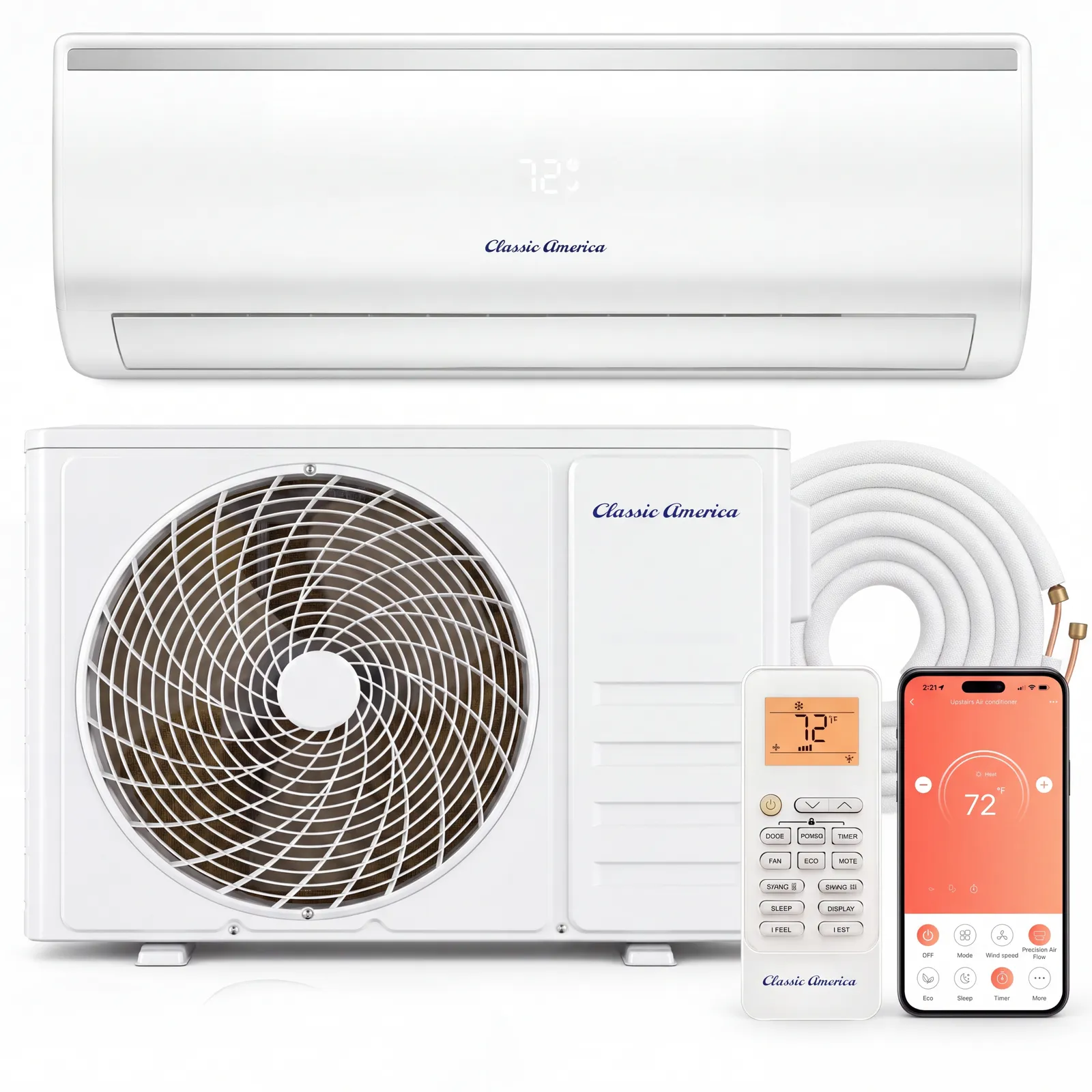
- 9,000 BTU/h cooling · 0.75 ton
- 23 SEER2
- 115V
- Up to 400 sq ft
- Heating nameplate 9,500 BTU/h
Embracing Mini Split Heat Pumps for Sustainable Savings
Heat pumps are a sustainable and economical solution to home heating. While they require an upfront investment and have area coverage limits, the energy savings can quickly offset the initial expense. They are particularly beneficial in areas with mild to moderate winters, where a heat pump's efficiency is highest.
By understanding the benefits and proper use of mini split heat pumps, homeowners can get through the winter in comfort while enjoying significant savings on their energy bills, and take a step towards a greener, more sustainable future.