Mini Split vs HVAC Systems: Key Differences
James SJan 11th 20255 min read
Key takeaways
- The post compares a ductless mini split with a whole-home ducted HVAC system.
- It describes the mini split as an outdoor compressor piped to a wall-mounted indoor unit.
- The decision it frames is room-by-room ductless versus a central system that uses ducts.
A mini split conditions individual rooms without ducts. A central HVAC system uses a furnace or boiler, an air conditioner, ventilation, and a duct network run from one thermostat. This post says the mini split costs less up front and installs faster, while central HVAC is the whole-home system and the larger project. The notes below compare cost, install, efficiency, comfort, and where each one fits. The room-by-room option is mini split HVAC systems.
When it comes time to install cooling or heating systems in a home, two popular options are mini split units or full HVAC (heating, ventilation and air conditioning) systems. While both are capable of regulating indoor temperatures, there are some notable differences between stand-alone mini splits and whole-home HVAC systems. Understanding the pros and cons of each can help homeowners decide which is better suited for their needs and budget.
What is a mini split system?
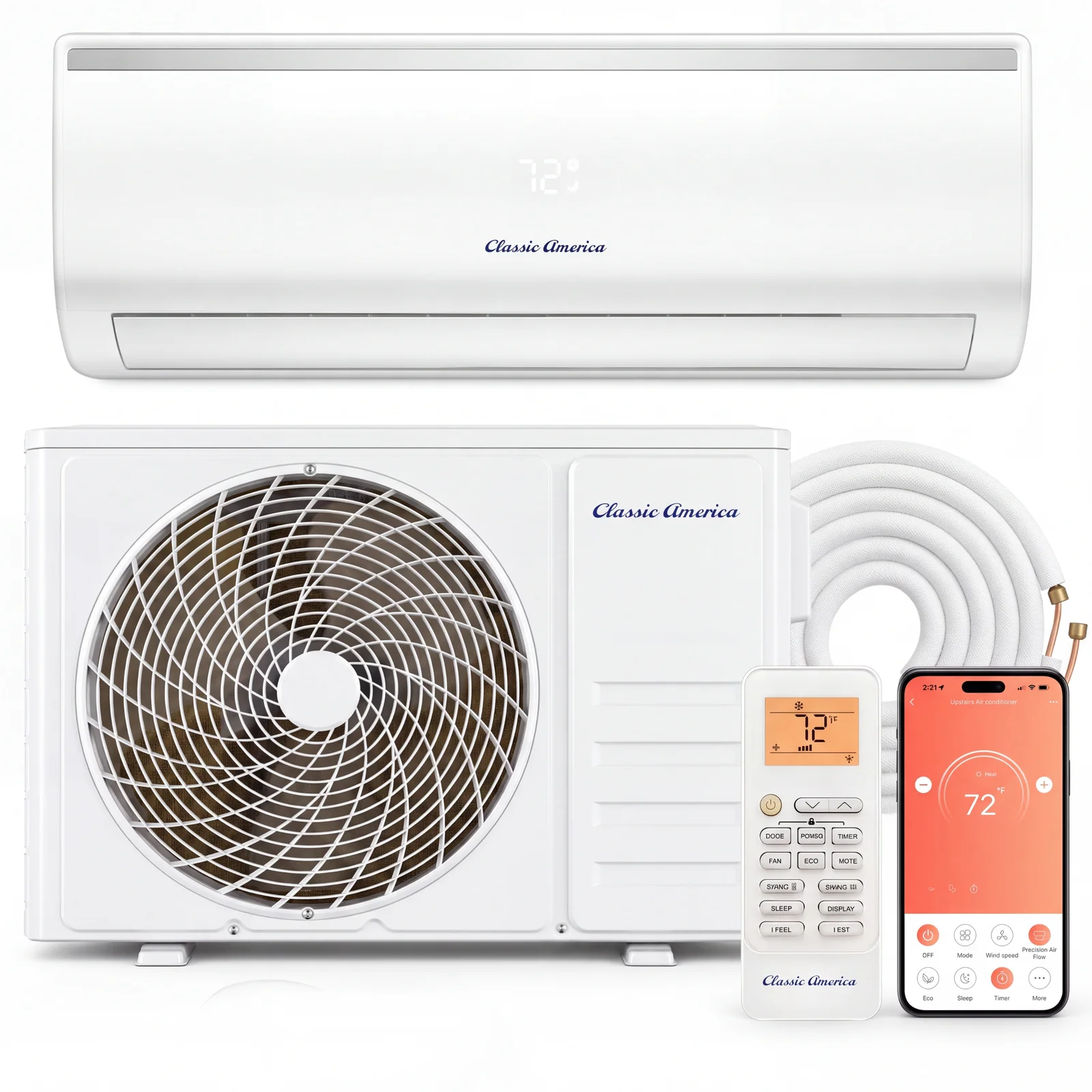
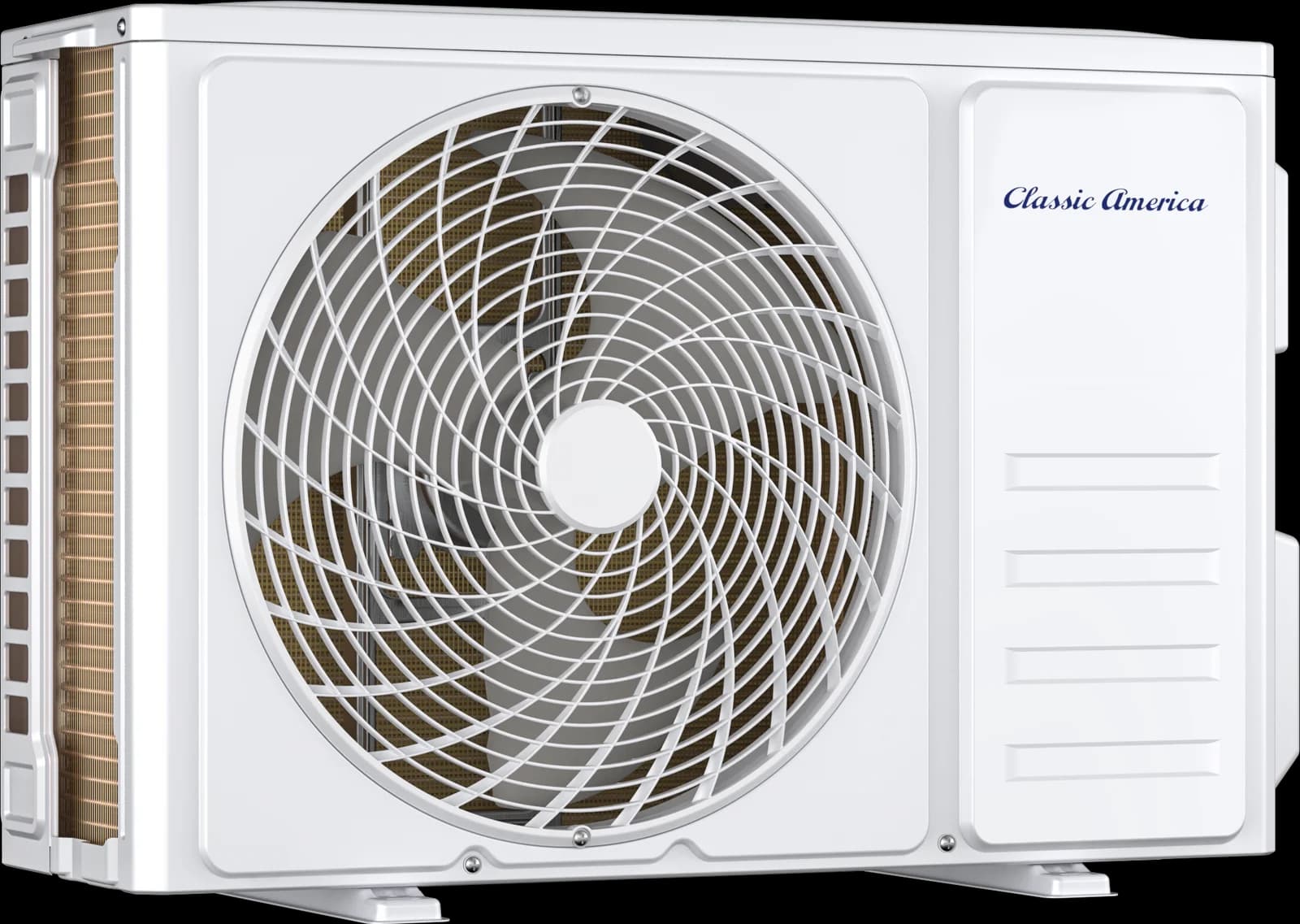
A mini split system is a type of ductless heating and cooling system. It consists of an outdoor compressor/condenser unit connected by pipes to an indoor wall-mounted blower unit. The popular ductless design provides focused heating or cooling power to individual rooms without forced air distribution. Cool refrigerant circulates between the indoor and outdoor units to either absorb or release heat. Mini split systems are easy to install in a variety of home configurations.
What is a central HVAC system?
An HVAC system refers to a home's central heating, ventilation and air conditioning equipment. It has three main components: a furnace or boiler to produce and distribute heated air, an air conditioner to cool and circulate air, and a ventilation system to exchange indoor and outdoor air. Unlike mini splits, HVAC systems use a network of ductwork to distribute conditioned air throughout a home. The system is controlled by a central thermostat. Having integrated heating and cooling from one larger system is a major advantage.
Which one costs less up front?
Mini split units are less expensive to purchase up front compared to a full HVAC system. They don't require ductwork installation which lowers labor costs. Multi-zone mini split systems with several indoor air handlers cost more than a single indoor unit, but not as much as a central HVAC system. HVAC systems have a large combined heating/cooling unit plus comprehensive ductwork and ventilation components, making them a major home investment.
How do installation and maintenance compare?
Ductless mini splits are quicker to install, normally in just a day or two. Minimal structural modifications are required since no ducts are needed. A certified technician can handle the basic installation process. HVAC systems often take weeks to design and install due to ductwork requirements. They may need major home renovations to accommodate equipment. HVAC systems typically last longer, but require more repairs and maintenance over time.
How do efficiency and room control compare?
Today's mini split units can deliver excellent energy efficiency with SEER ratings over 20 and variable-speed inverter compressors. However, performance ultimately depends on selecting the right sized unit for each room. Oversized and undersized units reduce efficiency. Zoned temperature control is a mini split advantage. HVAC systems balance heating/cooling across zones, but individual room control is limited. Central HVAC systems can maintain more consistent temperatures throughout the home.
How do comfort and air quality compare?
Ductless mini splits provide quiet, focused comfort without any drafts. Separate wall units placed in occupied rooms eliminate hot/cold spots.HVAC systems circulate air widely which improves overall air quality. However, duct leaks can reduce comfort in distant rooms. Mini splits and HVAC systems both offer air filtration options to reduce dust, allergens and pollutants.
Which one fits an addition?
Mini splits are the simpler option for additions, finished basements or converted attics since no ductwork is involved. New runs of refrigerant line can connect units in the new space to the existing outdoor unit. Extending HVAC system ductwork is more complex and labor-intensive. However, HVAC systems better incorporate major home additions into the existing temperature control scheme.
What does the post say about operating cost?
Mini split operating costs are determined by how many units you use at once. Running one or two at a time saves energy. Simultaneously operating several can increase costs. Central HVAC systems use about the same energy to maintain temperature throughout the whole home. Operating costs are more consistent but typically higher overall than selective use of mini splits.
How do they look in the house?
Mini split indoor units hang on walls and are visible in each room where installed. The minimalist, modern design appeals to some homeowners. They can be installed practically anywhere. HVAC systems have discreet ceiling vents for forced air distribution which blend in more seamlessly. Homeowners have to be willing to accommodate mini split wall units.
Which homes fit which system?
Mini splits work best in small homes, additions and converted spaces with no ductwork. They suit hot/cold spots, multistory homes and areas where centralized HVAC is impractical. Home HVAC systems are preferable for larger square footage homes. They're required for new home construction. HVAC systems also accommodate complex home floor plans better.
In general, mini split systems are simpler with lower upfront costs, while HVAC systems have higher performance potential. Mini splits offer flexible placement and targeted comfort useful in home renovations or small spaces. HVAC systems provide whole-home temperature and air quality control. Assessing your budget, home layout and heating/cooling needs will determine which system suits you best. An HVAC professional can advise on the best system design for your situation.
FAQ
Common questions
What is the main hardware difference?
A mini split is an outdoor unit piped to an indoor head, with no ducts. Central HVAC distributes air through ductwork from a furnace or boiler, an air conditioner, and ventilation.
Which install is shorter?
The post says a ductless mini split is often a day or two, and a ducted HVAC system can take weeks because of the ducts.
What efficiency point does the post make?
It says current mini splits can post SEER ratings over 20 with inverter compressors, and that the result still depends on sizing the unit to the room.
When is central HVAC the point of the post?
When you want one system and one thermostat for the whole house, and you can accept the ductwork that comes with it.
The lineup
Models in this article
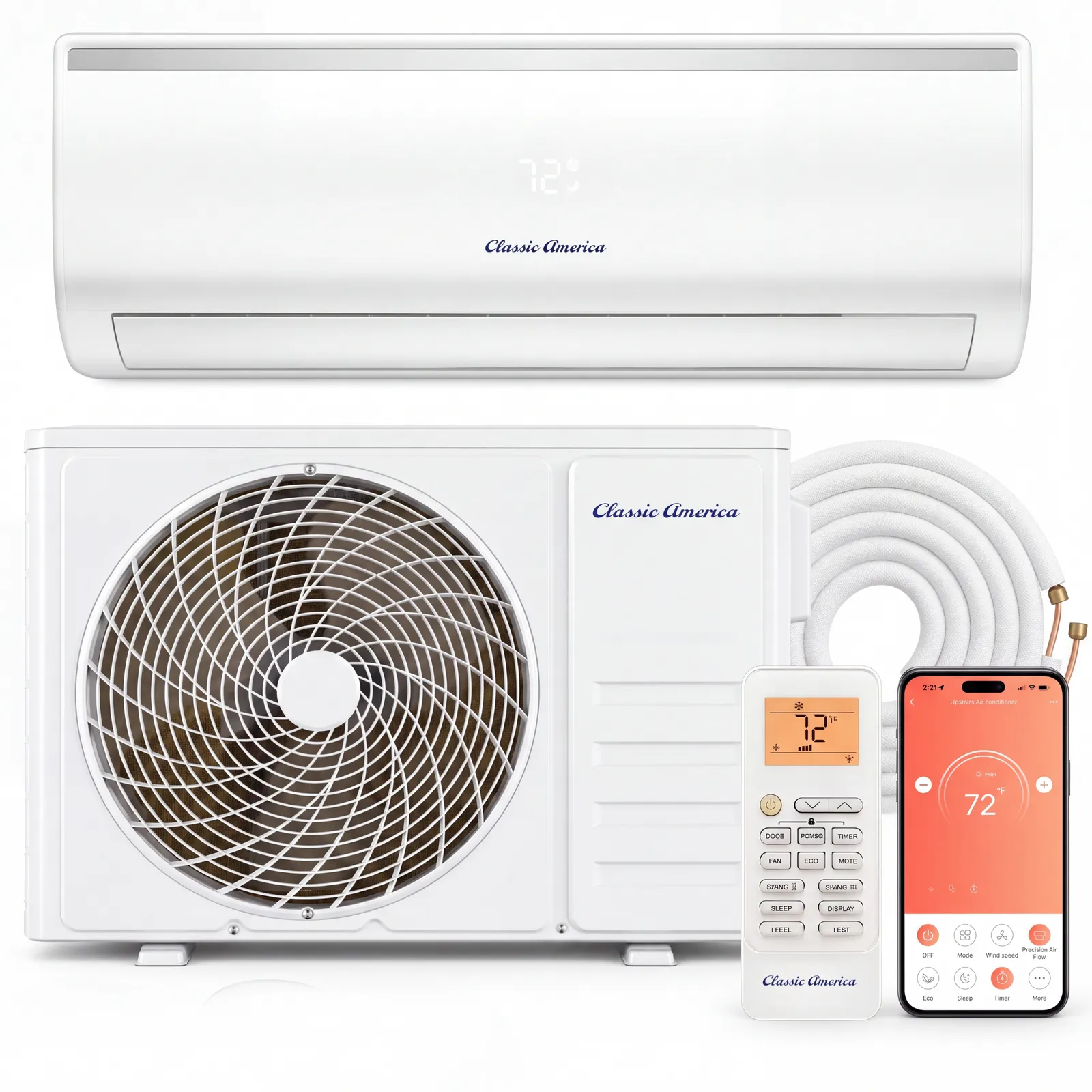
From the spec sheet
- 9,000 BTU/h cooling · 0.75 ton
- 23 SEER2
- 115V
- Up to 400 sq ft
- Heating nameplate 9,500 BTU/h